
The Fun Side of Learning to Program in Your Mother Tongue.

Many people assume that programming is best learned in English, but there's something special about diving into code using your own language from the start. For Japanese learners, tackling concepts like variables, loops, and functions in Japanese can turn what feels like a foreign puzzle into a familiar adventure.

Think about it. When explanations come in your mother tongue, the mental barriers drop away. Instead of translating every term in your head, you can focus on the logic itself. This shift makes the whole experience lighter and more playful.
Breaking Down the Basics with Ease
Imagine starting with simple scripts. A basic hello world program feels instantly welcoming when the output message is in Japanese. From there, building loops to repeat actions or conditions to make decisions becomes less intimidating. Students often report laughing at their own early mistakes because the errors are described in words they understand right away.
Everyday Examples That Click
- Creating a small app to track daily expenses using familiar yen amounts.
- Writing a script that generates haiku based on user input.
- Designing a game where characters speak in natural Japanese dialogue.
These projects keep motivation high because they connect directly to real life.
Learning in Japanese helped me see programming as creative play rather than strict rules. - A recent student
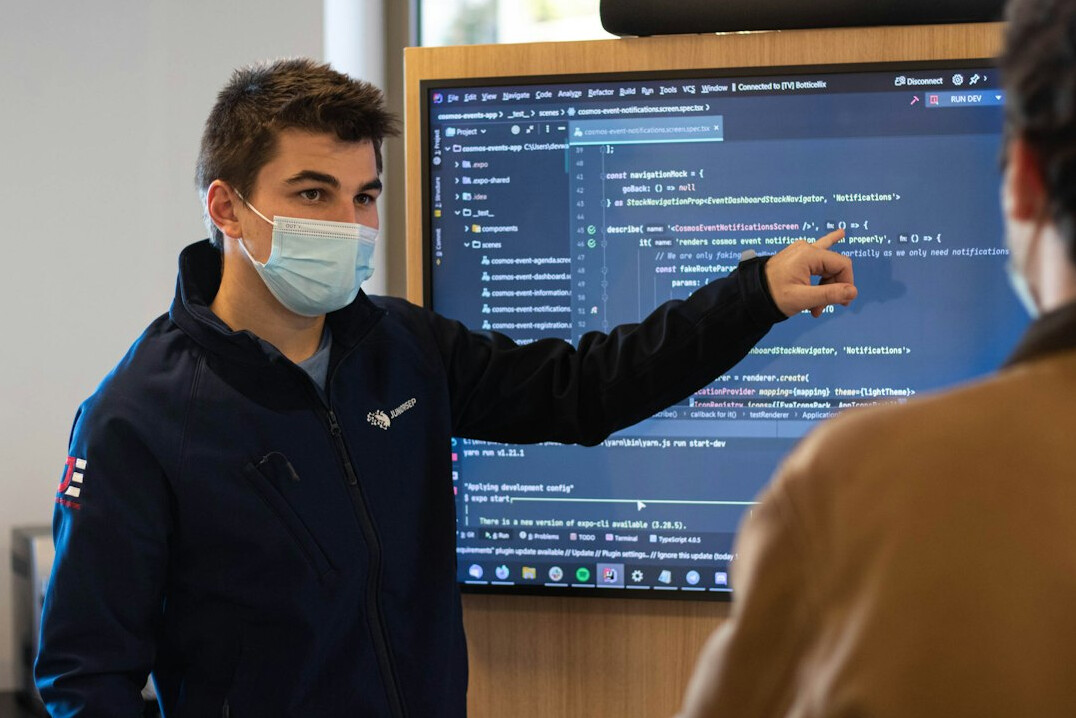
Another advantage is community. Online forums and local study groups in Japan use Japanese to discuss tricky bugs or share tips. This shared language builds quick friendships and makes asking questions feel natural instead of awkward.
Overcoming Challenges Through Play
Of course, some technical terms stay in English, but mixing them with Japanese explanations creates a hybrid style that works well. Learners start to enjoy the blend, treating new vocabulary like new friends rather than obstacles. Games and interactive exercises in Japanese further boost this fun factor, turning study sessions into something to look forward to.

Over time, this approach builds strong foundations. Graduates often transition smoothly to English resources later because they already grasp the core ideas without language stress holding them back. The initial joy carries through their careers.
Why It Matters for Long-Term Growth
Companies like studycodepo have seen how mother-tongue courses lead to higher completion rates and more creative projects. Students experiment freely, knowing they can express ideas without hesitation. This freedom sparks innovation that might not emerge in a translated setting.
In the end, programming in your mother tongue reminds us that technology serves people, not the other way around. It keeps the process human, enjoyable, and open to everyone.